Metal roofing generally offers a longer lifespan and lower long-term maintenance, while flat roofing offers a lower upfront installation cost and simpler equipment access. At D&N Coatings, we help Springfield property owners compare both systems based on building type, budget, and how the roof will be used before recommending commercial roofing solutions.
What Is the Main Difference Between Metal and Flat Roofing?
Metal roofing uses panels installed at a slope to shed water, while flat roofing (also called low-slope roofing) uses a membrane system designed to handle minimal drainage angles. The core difference comes down to how each system manages water and how long each one typically lasts before major repair or replacement is needed.
Why Does Roof’s Pitch Limit Material Options?
Roof pitch determines which systems are even viable. According to NRCA’s technical guidance on roof slope, metal panel roof systems generally require a minimum slope of at least 1/2:12 for structural panels. In contrast, membrane systems used on flat commercial roofs are typically designed to meet a minimum positive drainage slope rather than a fixed pitch requirement.
This is why building structure often determines which system is even viable before cost or appearance comes into play. Experienced metal roofers in Springfield, MO, can walk you through which pitch requirements apply to your specific building before any decision is made.
How Do Metal and Flat Roofing Compare on Lifespan and Maintenance?
| Factor | Metal Roofing | Flat Roofing |
| Typical lifespan | Longer service life, varies by material and coating | Shorter service life, varies by membrane type |
| Maintenance frequency | Lower, mainly seam and fastener checks | Higher, regular drainage and seam inspections |
| Installation cost | Higher upfront cost per square foot | Lower upfront cost per square foot |
| Weather resistance | Strong against wind, hail, and snow shedding | Vulnerable to ponding water if drainage is poor |
| Repair complexity | Panel replacement is straightforward | Membrane patching depends on damage size |
What Should I Consider Before Choosing a Roofing System?
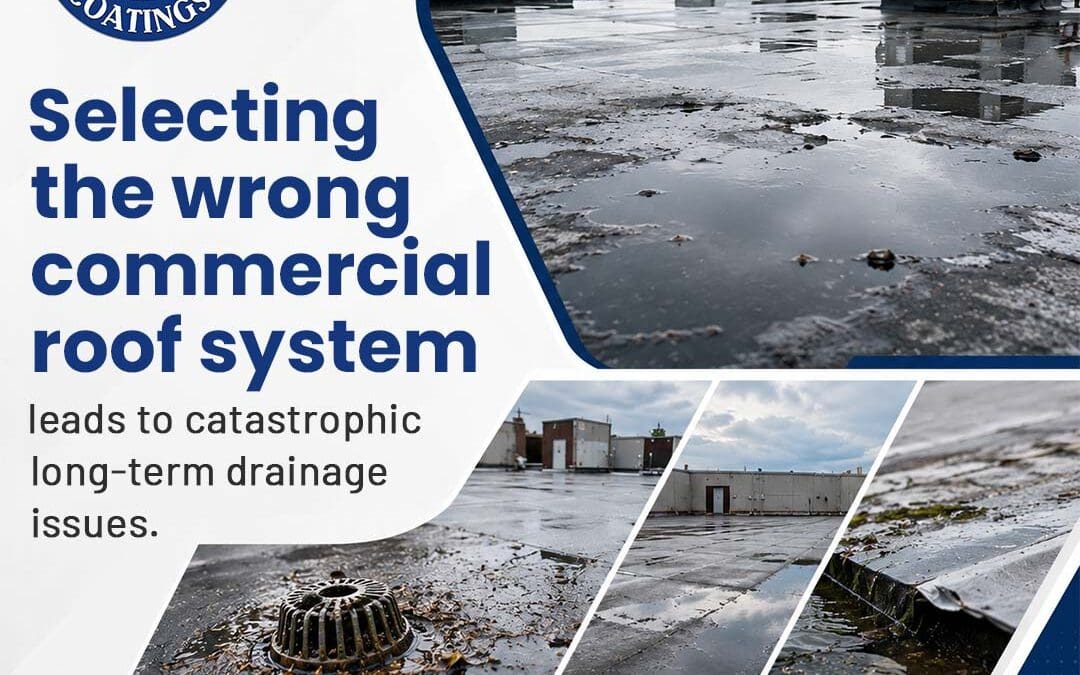
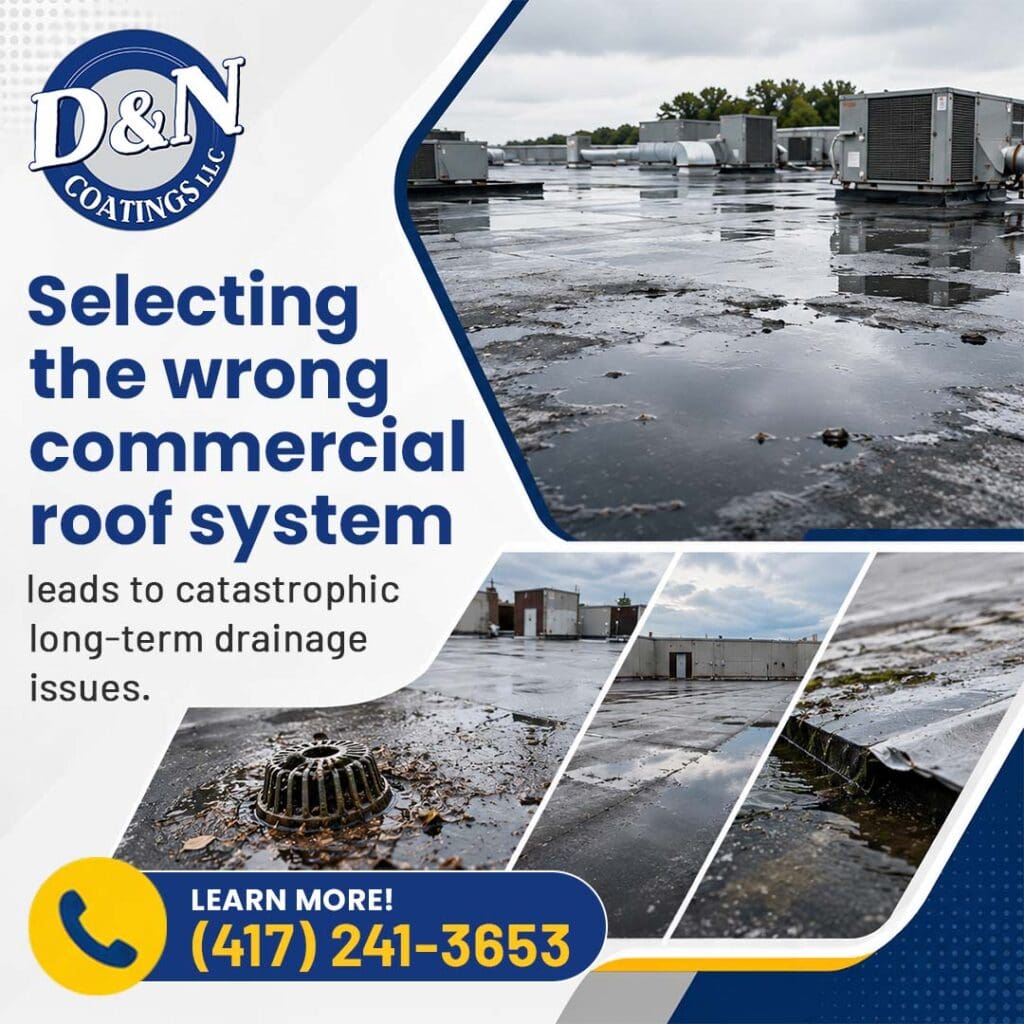
Springfield’s mix of hail, wind, and seasonal storms puts extra weight on durability and drainage. Choosing the wrong system for your building’s structure can lead to costly issues down the road, so it helps to weigh a few key factors before committing to either option.
Key Decision Factors
- How steep or flat is your existing roof structure, since this may limit your options
- How much foot traffic or rooftop equipment access does the roof need to support
- Your budget for upfront installation versus long-term maintenance and roof repair costs
- How long do you plan to own or operate the building
- Whether energy efficiency or reflective roofing matters for your cooling costs
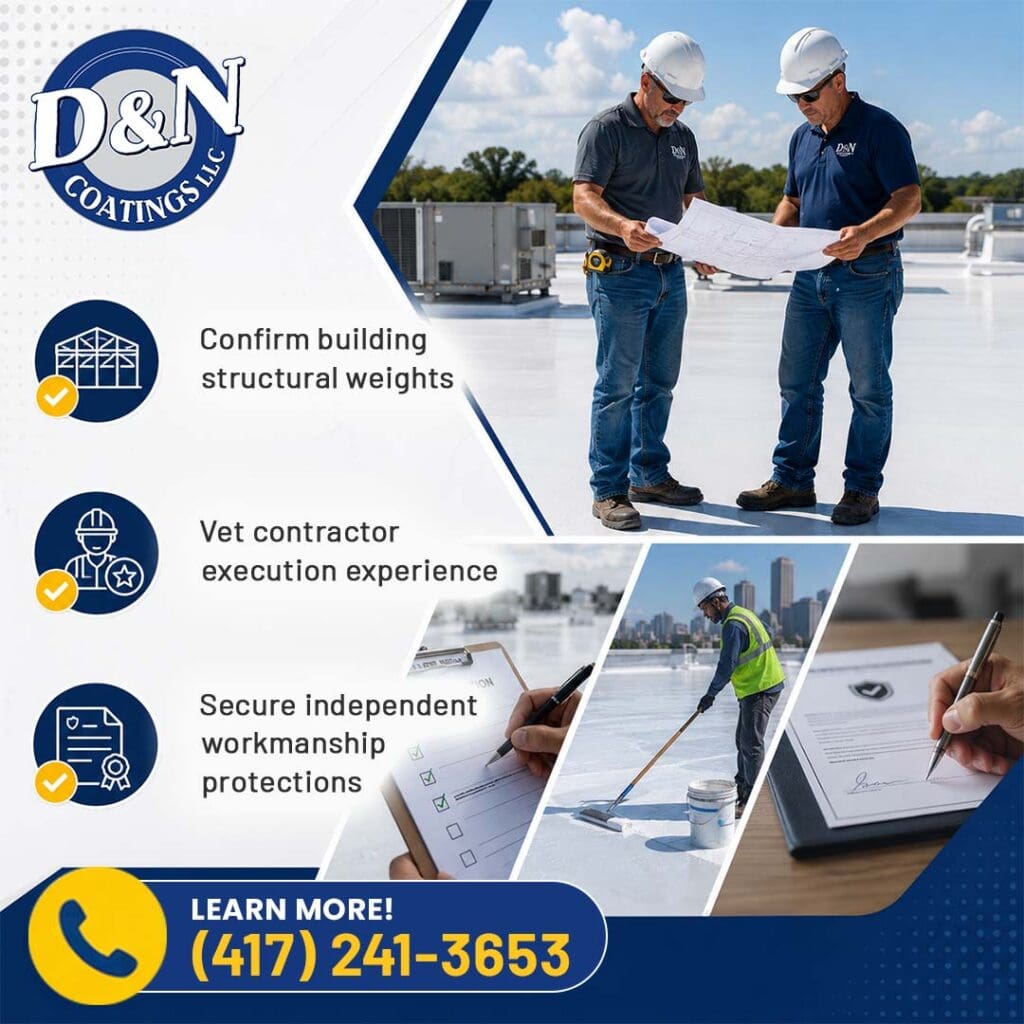
Working with experienced roofing contractors in Springfield early in the decision process can help you avoid choosing a system that doesn’t fit your building’s structure or budget.
Frequently Asked Questions
Can a flat roof be converted to a metal roof?
In some cases, yes, but it depends on the building’s structural capacity to support added slope and weight, which requires an engineering assessment first.
Does Springfield’s weather favor one roofing type over the other?
Both systems can perform well in Missouri’s climate when installed correctly, though metal roofing typically handles high wind and hail impact with less repair frequency.
How often should a flat roof be inspected?
Most flat roofing systems benefit from inspection at least twice a year, plus additional checks after major storms.
Ready to Compare Your Options?
Not sure whether metal or flat roofing is the right fit? A quick on-site visit tells us more than any general guide can. D&N Coatings looks at your building’s structure, drainage, and long-term goals before making a recommendation. Schedule your assessment with our team at (417) 241-3653.