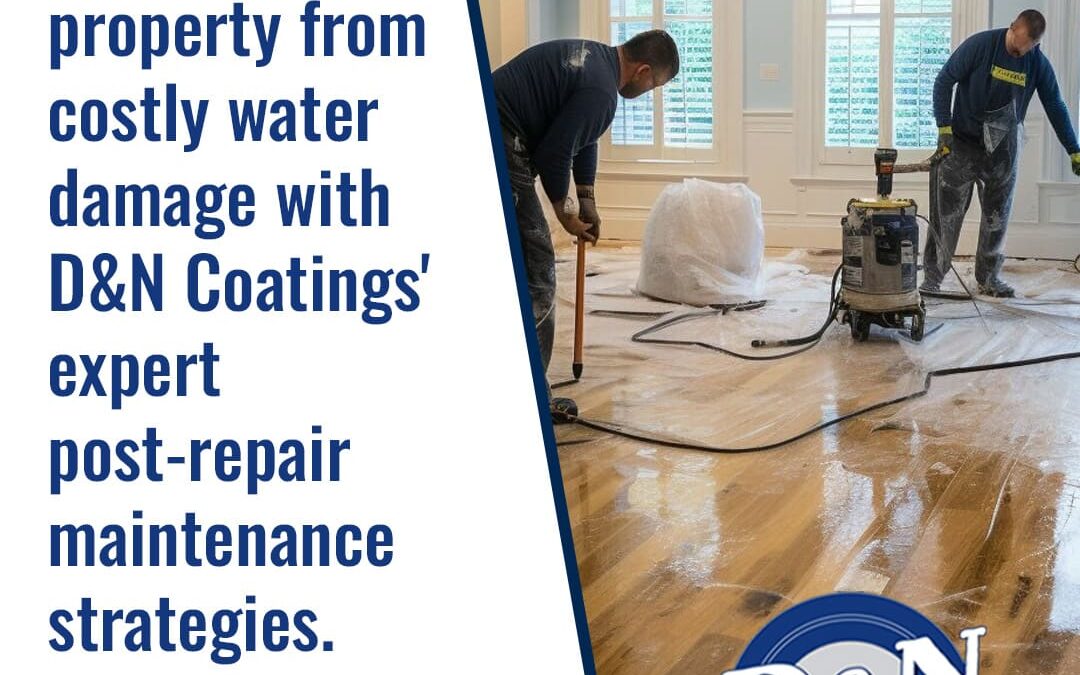
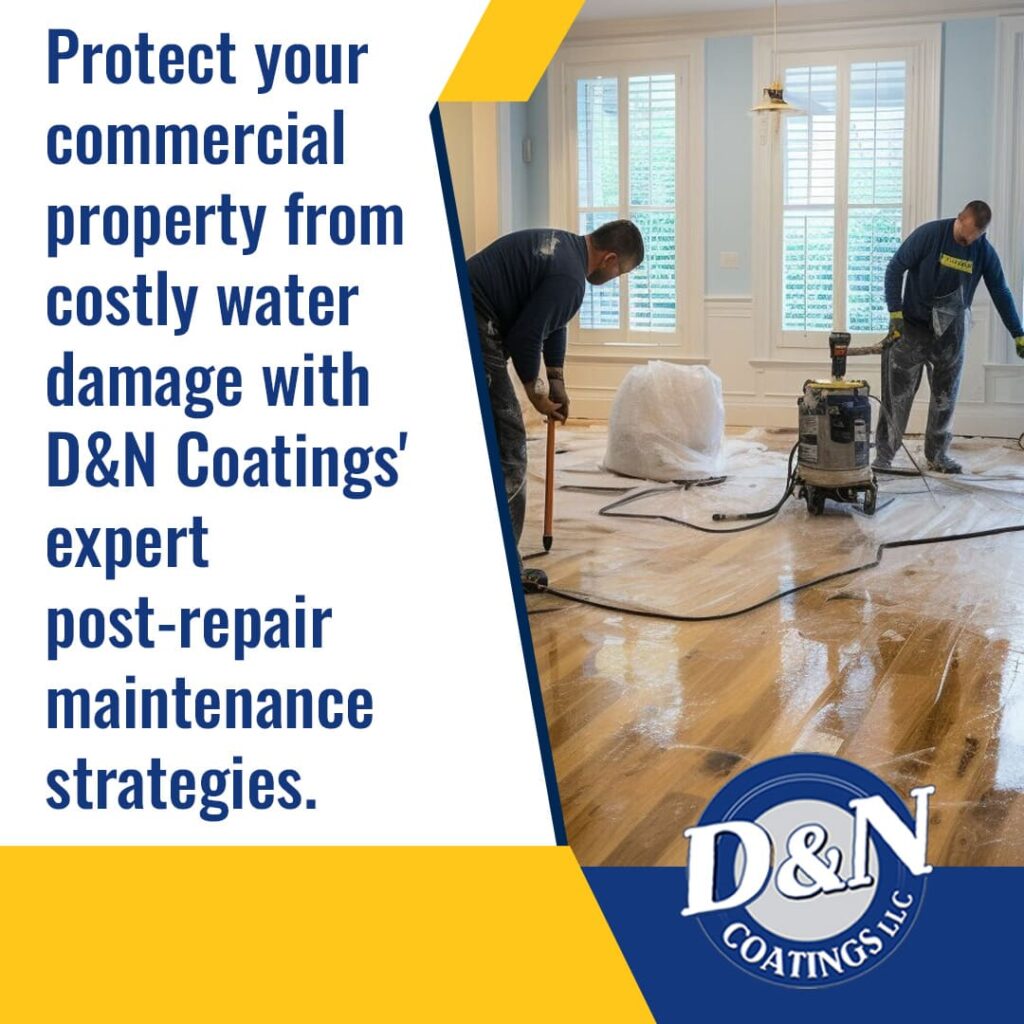
D&N Coatings is a trusted partner for businesses seeking reliable commercial roofing solutions. The company helps property owners protect their buildings from costly water damage. Proper maintenance after repairs is essential to preserve the integrity of the roof and extend its lifespan. This helps your investment continue to provide lasting protection.
Preventing roof leaks requires a combination of regular inspections, timely minor repairs, and practical maintenance strategies. Implementing effective roof leak repair techniques can reduce the risk of future leaks. By understanding common vulnerabilities and taking proactive steps, businesses can maintain a leak-free roof while minimizing unexpected repair costs.
Understanding Post-Repair Vulnerabilities
After a roof repair, even minor weaknesses can develop into leaks if left unchecked. Recognizing these vulnerabilities helps you maintain a durable roof and prevents unexpected water damage to your commercial property.
Potential Weak Points After Roof Repairs
Areas around repaired seams, flashing, or penetrations are often where leaks begin. These spots may look solid immediately after a repair, but gaps in sealing or small shifts in materials can allow water to seep through. Check corners, joints, and areas around vents, skylights, or HVAC installations regularly. Even a tiny gap at a flashing edge can lead to roof damage if ignored.
Newly replaced shingles or membrane edges can create future weak points. Freshly installed materials may settle unevenly or shift slightly due to thermal expansion. Inspect shingles for minor lifting and membranes for small separations. Addressing these issues early can prevent a roof leak from developing later.
Environmental Stress Factors
Weather conditions such as heavy rain, temperature swings, and strong winds can worsen weak points. Pooled water from rain can infiltrate low areas, while expansion and contraction of roofing materials can create small openings.
High winds may lift shingles or loosen seams, exposing areas around repairs. Regularly checking your roof after storms or extreme weather helps catch these problems before they become significant.
Creating a Scheduled Inspection Routine
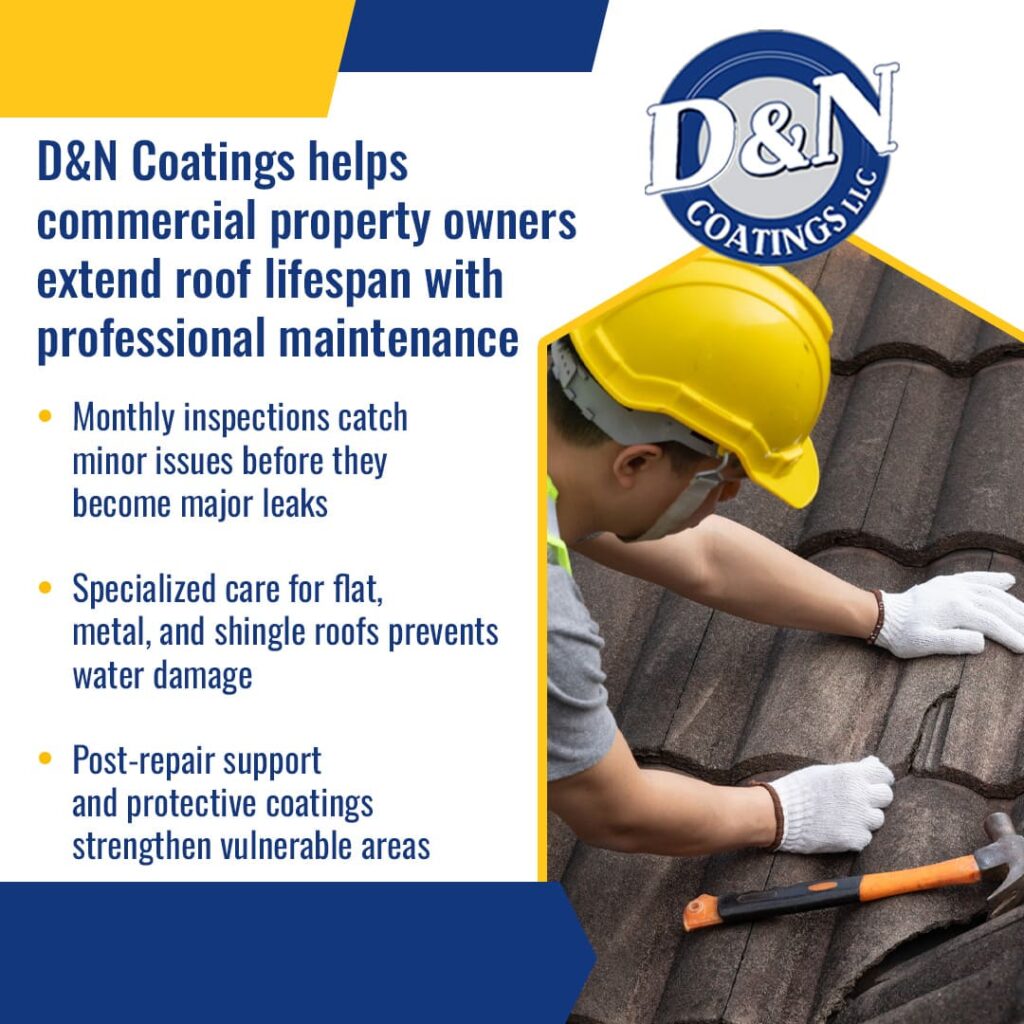
Regular inspections help catch minor issues before they develop into a major roof leak. By observing your commercial roof closely, you can protect your investment and reduce unexpected repair costs.
Monthly Visual Checks
You should check your roof each month for standing water, debris, and small cracks. Even minor puddles or scattered leaves can block drainage and increase the risk of a leak. Look closely at areas around vents, skylights, and seams, and clear away any debris that could trap moisture.
Monitoring drainage flow and gutter conditions is equally important. Gutters and downspouts must direct water away from the roof surface. Slow drainage or blockages can cause water to pool, creating pressure on repaired areas and increasing the chance of future damage.
Seasonal Inspection Adjustments
Inspect your roof before and after storm seasons to spot potential issues. Storms can loosen roofing materials or create new weak points in areas recently repaired. Early identification of problems helps prevent water intrusion and reduces costly repairs.
Adjust the frequency of inspections for older roofs or recently repaired sections. Older roofs may have hidden vulnerabilities, while new repairs may need closer monitoring in the first months. A tailored inspection schedule helps maintain long-term roof performance and supports effective roof leak repair.
Specialized Maintenance by Roof Type
Different roofing materials respond differently to weather and wear, so maintenance should be tailored to the type of roof. By focusing on the specific needs of flat, metal, and shingle roofs, you can prevent future leaks and maintain the effectiveness of previous repairs.
Flat Roofs
Monitor membrane seams for separation or bubbling on flat roofs. These areas are prone to water infiltration, especially after repairs, because minor shifts can create gaps where moisture can enter. Checking seams regularly allows you to address issues before they lead to a roof leak.
Remove debris to prevent water accumulation. Leaves, dirt, and other materials can trap water in low spots, increasing pressure on repaired sections. Clearing debris helps water flow freely and reduces stress on the roof membrane.
Metal Roofs
Inspect metal roofs for loose fasteners and minor rust spots. Even small openings or corrosion can allow water to penetrate and compromise repairs. Pay attention to panel overlaps and exposed screws, particularly after storms or strong winds.
Check flashing and panel alignment regularly. Misaligned panels or damaged flashing can create gaps that lead to a leak. Correcting these issues early helps maintain the long-term performance of your roof.
Shingle Roofs
Replace cracked or lifted shingles promptly. Damaged shingles provide a direct path for water to enter, especially around repaired areas. Prompt replacement limits the risk of leaks and preserves the integrity of your roof.
Seal around vents, skylights, and roof penetrations. These are common points for water intrusion, and applying sealant or caulking protects repaired sections. Regular checks make sure that your roof continues to provide effective protection.
Recognizing Early Warning Signs of Leaks
Identifying problems early can prevent minor issues from turning into major damage. By paying attention to both interior and exterior signs, you can act quickly and maintain a roof that continues to protect your commercial property.
Interior Indicators
Water stains, mold growth, or unusual odors inside your building often point to a roof leak. Even small damp spots on ceilings or walls can signal that water is entering through repaired or vulnerable areas. Regularly inspecting interior spaces near repaired sections allows you to detect these signs before they spread.
Exterior Indicators
Pooling water, sagging areas, or missing shingles on the roof surface are visible signs of potential problems. These issues often appear after storms or heavy rainfall and can indicate that repairs may have weakened over time. Observing these signs early helps prevent more extensive damage and reduces repair costs.
Minor Issues That Can Escalate
Small cracks or loosened flashing can develop into larger leaks if left unaddressed. Even minor gaps around vents, seams, or flashing edges create paths for water to enter the roof structure. Taking prompt action to repair these issues contributes to effective roof leak repair and prolongs the life of your roof.
Preventative Actions to Extend Roof Lifespan
Taking proactive steps can help you protect your commercial roof after repairs and reduce the likelihood of future leaks. Regular maintenance and timely interventions allow your roof to remain functional and reliable for years.
Gutter and Downspout Care
Proper water flow through gutters and downspouts prevents damage to repaired areas. Standing water or clogged drains can create pressure on your roof and weaken repair points. Regularly clearing leaves, debris, and sediment from gutters keeps water moving freely and protects vulnerable sections of your roof.
Applying Protective Coatings
Applying protective coatings adds an extra layer of water resistance to flat and commercial roofs. These coatings help shield membranes and seams from moisture, reducing the chances of leaks. Protective layers also strengthen areas around repairs, maintaining the durability of leak repairs.
Prompt Repairs of Minor Damage
Address small leaks or damaged materials immediately before they worsen. Tiny cracks, lifted shingles, or loose flashing can quickly escalate if ignored. Acting swiftly on minor problems contributes to roof leak repair and keeps your property secure, especially in high-traffic or exposed roof areas.
Professional Support for Long-Term Leak Prevention
Partnering with a roofing professional helps you maintain a durable roof after repairs and reduce the risk of future leaks. Experts bring technical knowledge and practical solutions that protect your commercial property over time.
Benefits of Partnering with a Roofing Specialist
Working with a roofing expert provides experience in commercial roof leak repair. They can identify areas that might be overlooked and address them efficiently. Their skills allow faster diagnosis of hidden issues, preventing minor concerns from developing into major leaks.
Customized Maintenance Programs
Specialists create maintenance programs tailored to your roof and building type. Scheduled inspections, minor repairs, and follow-up documentation keep repaired areas in strong condition. Personalized plans consider roofing materials, layout, and building use, supporting the effectiveness of leak repair.
Rapid Response for Post-Repair Concerns
Having a roofing team available for immediate post-repair issues reduces business disruption. Prompt attention to leaks or minor damage prevents escalation and preserves the integrity of repaired areas. Quick response helps protect your property while maintaining long-term performance.
D&N Coatings’ Role in Preventing Future Roof Leaks
D&N Coatings is dedicated to helping businesses maintain repaired roofs and avoid future leaks. With a local presence in Hartville, MO, and extensive experience serving commercial properties across Central and Southwest Missouri, the company provides practical solutions to protect roofs over the long term. Our focus is on delivering high-quality results while addressing the unique needs of each client’s building.
Proven Expertise in Commercial Roof Leak Repair
Our team at D&N Coatings brings decades of experience with flat, metal, and shingle roofs. This expertise allows us to identify potential weak points and address them with precision.
Whether a roof has undergone minor repairs or a full restoration, we apply methods that maintain durability and prevent future roof leak issues. Our skilled approach gives clients confidence that repaired areas will remain intact under varying weather conditions.
Comprehensive Post-Repair Support
D&N Coatings provides routine inspections and follow-ups on minor repairs for every project. Each maintenance plan is tailored to the property’s roofing materials, layout, and environmental exposure.
By scheduling inspections after repairs, our team can catch emerging problems early and correct them before they escalate. This continuous attention helps prolong the life of the roof while reducing the likelihood of costly damage.
Commitment to Durability and Customer Satisfaction
Every project uses premium materials combined with professional workmanship. From sealing seams to reinforcing repaired sections, D&N Coatings focuses on delivering roofing solutions that last.
Clear communication throughout the process keeps clients informed about their roof’s condition, maintenance schedules, and repair progress. Our proactive approach makes sure that minor issues are addressed quickly, providing effective commercial roof leak repair and maintaining the overall strength of the roofing system.
By combining experience, specialized services, and a customer-focused approach, D&N Coatings helps businesses protect their roofs from future leaks. Clients benefit from ongoing support, well-executed repairs, and practical advice tailored to their property. For any commercial property owner seeking reliable roof maintenance and repair services, D&N Coatings offers proven solutions that reduce risk and extend roof lifespan.
Protect Your Commercial Roof Today
Don’t wait for a small leak to turn into a costly repair. Contact D&N Coatings at (417) 241-3653 to schedule a consultation and safeguard your commercial property with roof leak repair services. Our experienced team is ready to provide tailored solutions, routine maintenance, and reliable post-repair support to keep your roof in top condition.